
Researchers/Supervisors
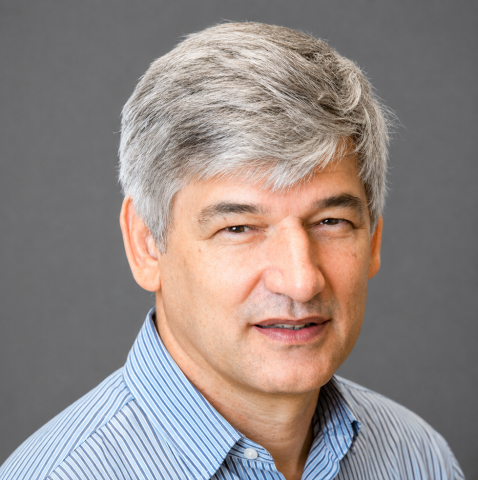
Adrie JC Steyn
SANTHE Supervisor
Africa Health Research Institute (AHRI),
Durban, South Africa
Adrie Steyn is a basic scientist with joint appointments at the Africa Health Research Institute (AHRI) and the University of Alabama at Birmingham. His expertise spans molecular genetics, with a focus on Mycobacterium tuberculosis (Mtb) virulence and pathogenesis using diverse animal models of tuberculosis (TB).
His laboratory has developed tools to study Mtb bioenergetics and redox homeostasis, including the use of the Agilent Seahorse XF96 system to investigate how factors such as nitric oxide (NO), carbon monoxide (CO), and hypoxia influence Mtb persistence in vivo.
At AHRI, his group integrates basic and clinical science through the Human Lung Project, a prospective cohort that collects resected lung tissue from TB patients. The team processes MDR- and XDR-TB–infected human lung samples, performing flow cytometry and isolating DNA, RNA, metabolites, and proteins from freshly resected tissue.
His research focuses on fundamental mechanisms of TB disease and persistence in human lung tissue. He collaborates closely with cardiothoracic surgeons and pathologists at Inkosi Albert Luthuli Central Hospital in Durban, as well as forensic pathology services, to study fresh, archived, and postmortem lung tissue.
More recently, his work has incorporated micro-computed tomography (µCT) and high-resolution CT imaging to characterise the 3D structure of TB-infected lungs, alongside studies of how Mtb alters macrophage and T cell bioenergetics during infection.