Researchers/Supervisors

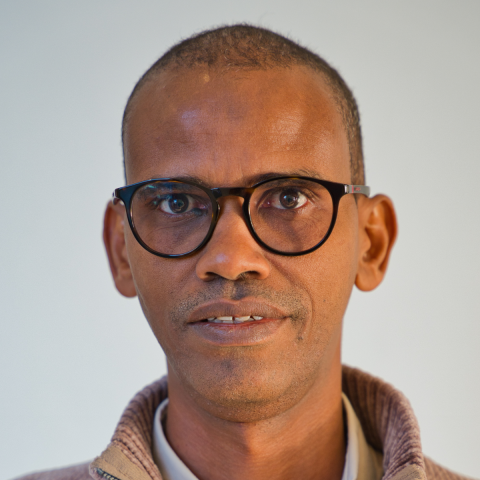
Abdi Abdirahman

SANTHE Supervisor


KEMRI/Wellcome Trust Research Programme (KWTRP) Kilifi, Kenya

Project

Blood biomarkers that prospectively predict acute HIV-1 infection in high-risk adults

Collaboration Interests
  • Disease mechanism, biomarker discovery, host-based TB diagnostic biomarkers
  • Pathophysiology of infectious diseases

Abdi is a Senior Research Scientist at the KEMRI Wellcome Trust Research Programme in Kilifi, Kenya with a background in Biochemistry. His current research work focuses on small vesicles released by all cells to their extracellular space which are generally referred to as extracellular vesicles (EVs). Their main function is for intercellular communication by serving as vehicles for transferring signalling competent proteins and functional RNA packaged within the vesicles to adjacent and/or distant recipient cells to control cellular response. They are also involved in containing and eliminating toxic materials from cells and they cross biological barriers. Abdi’s group study EVs to understand the pathophysiology of infectious disease such as malaria and to push the frontiers of the basic biology of malaria parasites. His work was initially funded through a Wellcome Trust Training Fellowship (2014-2015) and was further consolidated by another fellowship from the Wellcome Trust (International Intermediate Fellowship 2018-2023).
Abdi’s group study the “omics” of EVs circulating in human body fluids such as plasma to; 1) improve diagnosis of common illness in children where the clinical symptoms strongly suggest infection, but current diagnostic methods have not identified a causative organism, 2) identify blood biomarkers that prospectively predict acute HIV-1 infection in high-risk adults, and 3) dissect the metabolic processes that mediate the interaction between infection and undernutrition in children and breastmilk content and nutritional status of the child.

SANTHE is an Africa Health Research Institute (AHRI) flagship programme funded by the Science for Africa Foundation through the DELTAS Africa programme; the Gates Foundation; Gilead Sciences Inc.; and the Ragon Institute of Mass General, MIT, and Harvard.