
News
Putting communities at the centre of research: reflections from a SANTHE CPE workshop
Research does not happen in isolation. The communities it seeks to serve have experiences, knowledge and perspectives that can shape how research is conducted and how its findings are understood and used. Building meaningful relationships with these communities is therefore essential to making research more inclusive and responsive.
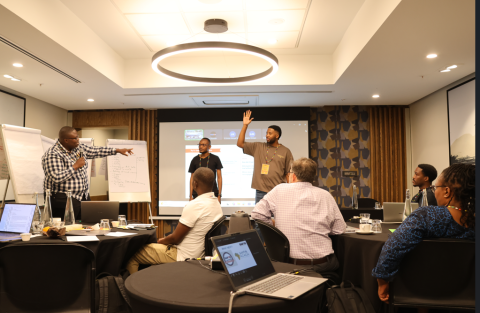
This was a central theme of “Learning for Impact: Advancing Community and Public Engagement – A Workshop to Advance Efforts in SANTHE and Beyond” held on 19–20 October 2026 in Rosebank, Johannesburg. The event brought together scientists, public engagement officers and communications professionals from within the SANTHE network to reflect on current engagement practices and explore how relationships between researchers and communities can be strengthened.
A recurring theme throughout the discussions was the need to move beyond viewing communities as recipients of research information. Instead, participants emphasised the importance of recognising communities as equal partners whose knowledge, experiences and priorities should inform the research process. Approaches such as stakeholder mapping, lived-experience advisory groups and regular feedback opportunities were explored as ways to support more meaningful participation.
However, building these relationships takes more than good intentions. Participants reflected on some of the challenges that can make sustained community engagement difficult, including limited funding, difficulties maintaining long-term relationships and the lack of effective ways to assess the impact of engagement activities. The importance of documenting projects, sharing lessons across research sites and strengthening collaboration also emerged as important considerations.
An important outcome of the workshop was the collaborative development of a template for documenting CPE case studies. Participants will use the template to document their own CPE projects and experiences, with the aim of bringing these case studies together in a booklet. The booklet will provide an opportunity to share practical experiences, lessons and approaches with the wider SANTHE network, allowing members to learn from one another’s work.
The conversations also extended beyond current research practices to consider how interest in science can be encouraged from an early age. Participants explored the value of introducing young people to science through schools, mentorship programmes, exposure to laboratories, community-based activities and opportunities to engage with scientists as role models. Such approaches can help make scientific careers more visible and accessible to young people.
Ultimately, the discussions highlighted that meaningful community engagement is not simply about communicating research findings once a study is complete. It involves listening, building trust and creating opportunities for communities to contribute throughout the research process.
Putting communities at the centre of research requires an ongoing commitment to collaboration. By strengthening these relationships, documenting experiences and creating space for community voices, researchers can work towards research that is not only scientifically valuable but also more relevant to the people and communities it seeks to serve.