News
African-Led HIV Science Takes Centre Stage: SANTHE’s Impact at AIDS 2026
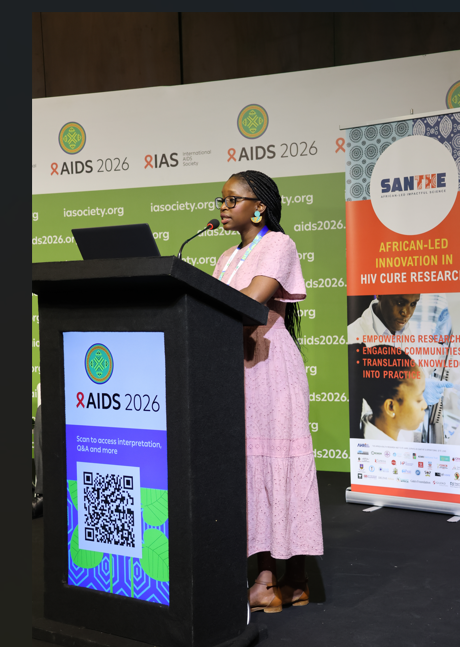
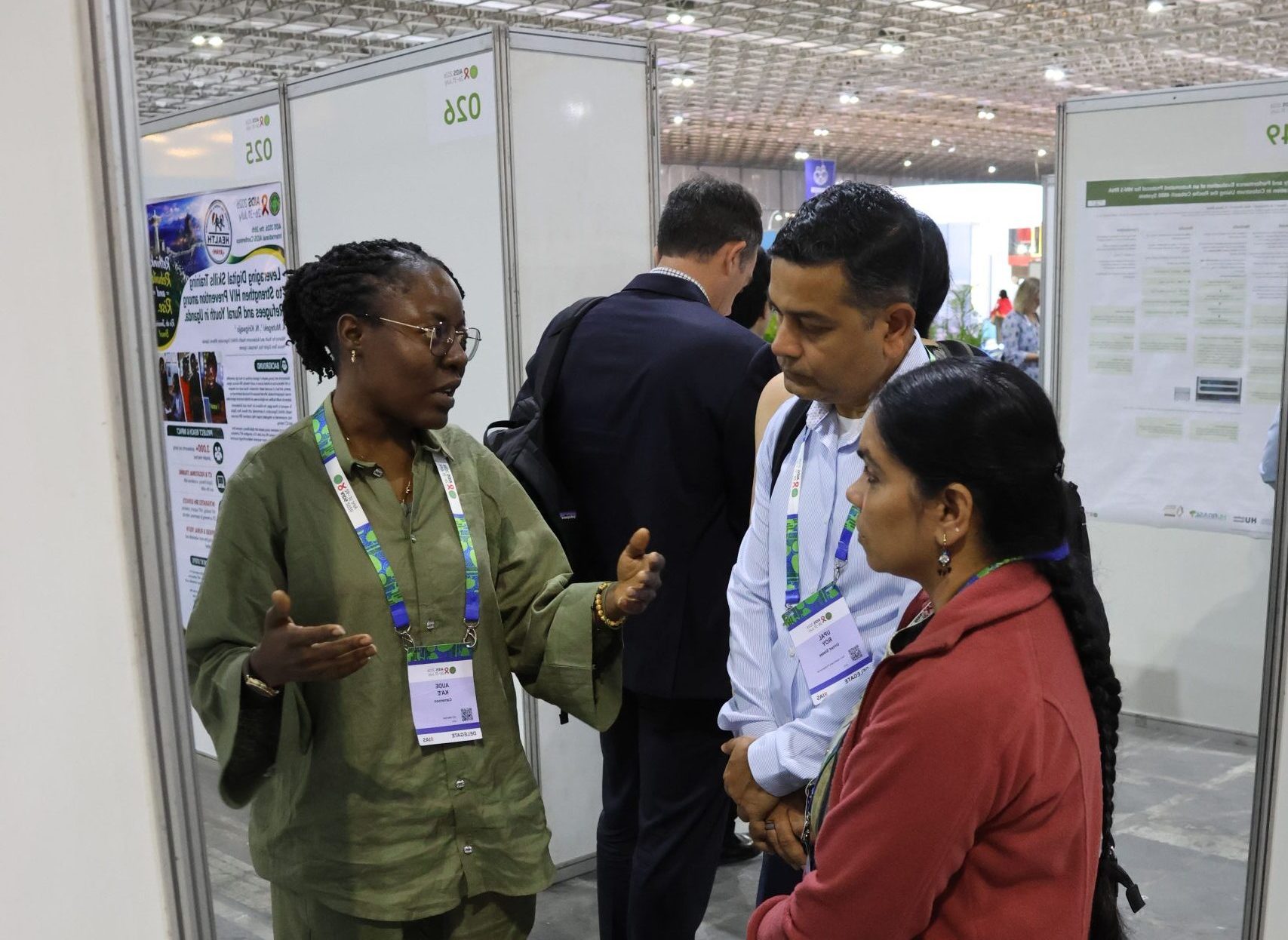
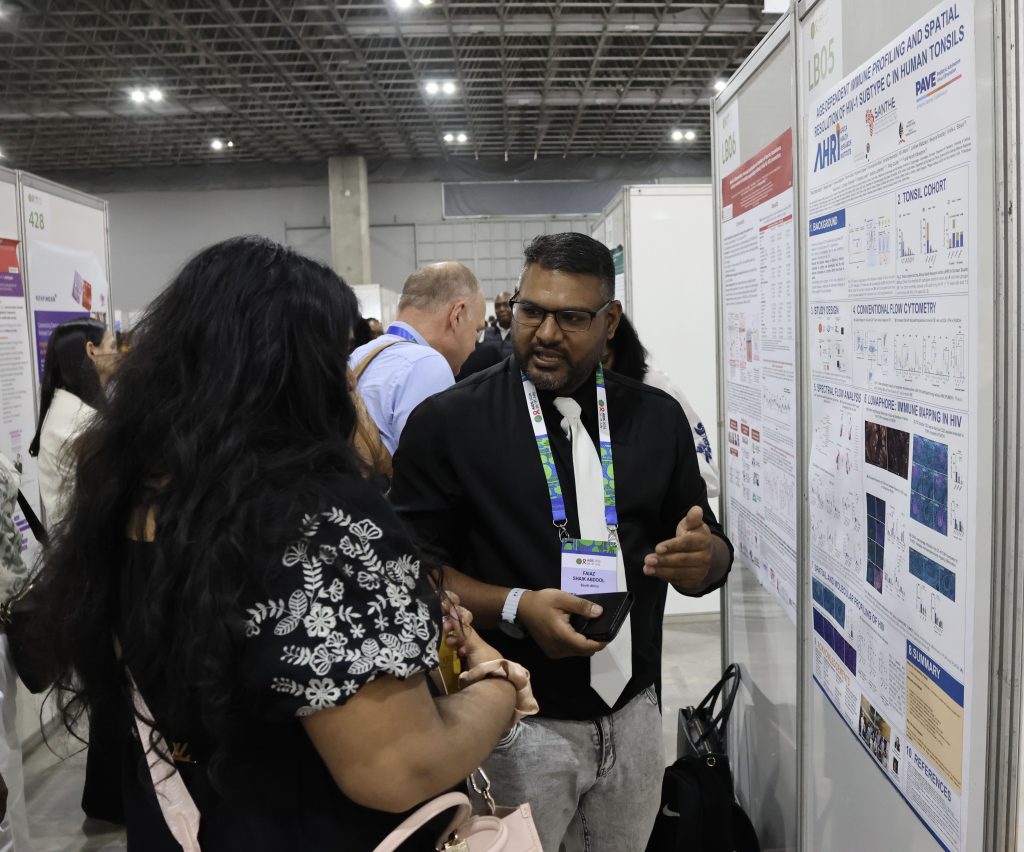
SANTHE puts African HIV science centre stage at AIDS 2026 in Rio de Janeiro.
The Sub-Saharan African Network for TB/HIV Research Excellence (SANTHE) played a leading role at the 26th International AIDS Conference (AIDS 2026), held from 26–31 July at the Riocentro Convention & Event Center in Rio de Janeiro, Brazil, under the theme “Rethink. Rebuild. Rise.” Across a full slate of satellite sessions, poster presentations, and leadership roles, SANTHE showcased African-led HIV research and reinforced its commitment to building scientific capacity across the continent.
Advancing HIV Cure Research Across Africa and Latin America
On Monday 27 July, SANTHE convened a satellite session titled “Advancing HIV Cure Research in Africa and Latin America and Caribbean,” held in partnership with the Latin America HIV Cure Consortium. The session addressed a critical gap in the global cure research agenda: most proof-of-concept HIV cure studies to date have been conducted in high-income countries, largely among men who have sex with men living with HIV-1 subtype B. This contrasts sharply with sub-Saharan Africa, where the majority of the world’s HIV infections occur across multiple non-B subtypes and more evenly across sexes, and with Latin America and the Caribbean, where the epidemic remains concentrated among key populations such as MSM and transgender women.
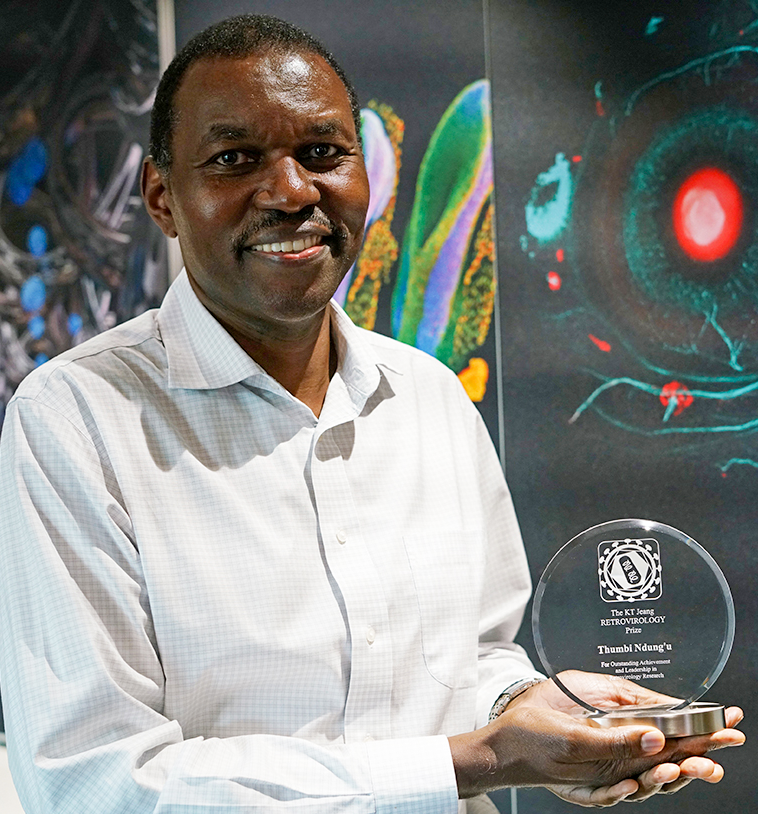
Opening remarks were delivered by SANTHE Programme Director Thumbi Ndung’u, based at the Africa Health Research Institute (AHRI), Durban, South Africa, alongside Gabriela Turk of Argentina’s Instituto de Investigaciones Biomédicas en Retrovirus y Sida (INBIRS), Buenos Aires, Argentina, who spoke to the state of cure research in Latin America and the Caribbean. Researchers then presented new findings, including work from Kavidha Reddy, AHRI, on undetectable proviral HIV-1 DNA in early-treated adolescents, Fernanda Côrtes, Fiocruz, Rio de Janeiro, Brazil, on the mechanisms behind HIV elite controllers, Ajibola Gbolahan, Botswana Harvard Health Partnership (BHP), Gaborone, Botswana, on viral control in Botswanan children receiving broadly neutralising antibodies, and Lucía Baquero, INBIRS/University of Buenos Aires, on long-term viral reservoirs in young adults with perinatally-acquired HIV.
The session closed with an interactive panel discussion chaired by Marcel Tongo Passo, Centre de Recherche sur les Maladies Émergentes et Ré-Émergentes (CREMER)/Institut de Recherche Médicale et d’Etude des Plantes Médicinales (IMPM), Yaoundé, Cameroon, bringing together social scientists, virologists, and community representatives from South Africa, Uganda, Argentina and Peru to explore how cure strategies can be designed for real-world impact across diverse epidemic settings.
Understanding HIV Evolution and Host Diversity to Inform Vaccine Design
A second SANTHE satellite session, held on Tuesday 28 July, examined “Understanding HIV Evolution and Host Diversity in Africa to Develop Effective Vaccines and Antibodies.” Chaired by Simani Gaseitsiwe of BHP, the session tackled the scientific challenges posed by Africa’s exceptional viral and host genetic diversity for the design of effective HIV vaccines and therapeutic antibodies.
Presenters included Wonderful Choga, BHP, on a new HIV sequence database to support immunogen design in Africa; Kioko Mwikali, KEMRI-Wellcome Trust Research Programme (KWTRP), Kilifi, Kenya, on the declining sensitivity of HIV-1 to broadly neutralising antibodies over time; Tawanda Mandizvo International AIDS Vaccine Initiative (IAVI), Nairobi, Kenya, on envelope glycosylation changes affecting antibody targeting; Zaza Ndhlovu, AHRI, on mapping HLA diversity across Africa to guide next-generation vaccine development; John Kimotho, KWTRP, on how environmental exposures shape immune states and vaccine outcomes; and Thandeka Moyo-Gwete, National Institute for Communicable Diseases (NICD), Johannesburg, South Africa, on using neutralisation-resistant HIV strains as tools for vaccine and antibody discovery. The session was summarised by Marcel Tongo Passo.
Partnering with the African HIV Cure Consortium
SANTHE also partnered with the African HIV Cure Consortium (AHCC) and other collaborators on a satellite session held on 27 July, focused on how African leadership, science, and community collaboration are shaping the future of HIV cure research. The session centered on three key themes: strengthening locally driven scientific agendas and regional clinical research capacity; ensuring future HIV cure breakthroughs are accessible and relevant to affected African populations from the outset; and bridging the gap between complex biomedical cure science and grassroots advocacy.
Showcasing the Next Generation of African Scientists
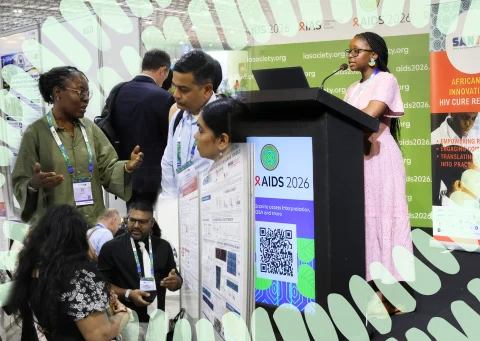
Beyond the satellite sessions, numerous SANTHE fellows and affiliates presented their research at AIDS 2026’s poster sessions, gaining valuable experience and international visibility – many supported by SANTHE travel scholarships. SANTHE-trained researchers also took on prominent leadership roles at the conference, e.g. Professor Catherine Koofhethile, a SANTHE Path-to-Independence Awardee and Principal Research Scientist/PI and Training and Development Manager at BHP/Harvard T.H. Chan School of Public Health, served as Lead Rapporteur for the Basic Science track.
A Global Platform for African Science
Reflecting on the conference, SANTHE delegates noted that these sessions were vital in showcasing African science and giving African researchers visibility on the world stage. By leading multiple satellite sessions, forging partnerships across Africa and Latin America, and elevating emerging scientists into leadership roles, SANTHE used AIDS 2026 as a platform to reaffirm its mission: building a new generation of excellent, independent HIV/TB researchers driving locally relevant solutions to the epidemic.
BROWSE PHOTO GALLERY HERE