
Fellows

Vurayai Ruhanya
SANTHE PhD Fellow
University of Zimbabwe,
Harare, Zimbabwe
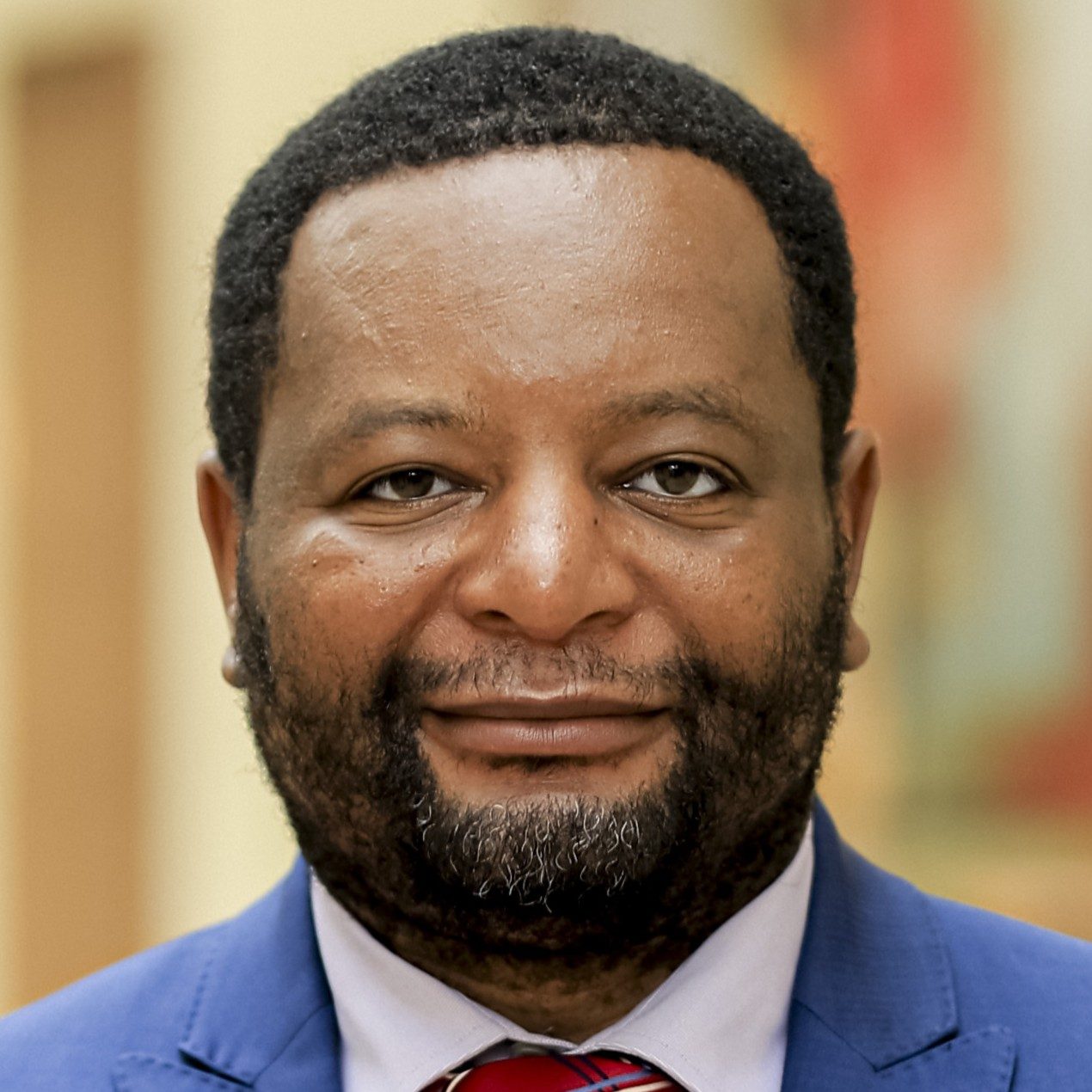
Vurayai Ruhanya is a medical scientist with a PhD in Medical Virology, working across research, academia, and laboratory management of viral infections. Trained as a molecular biologist, he has contributed to initiatives on vaccine development in the post–polio eradication era and played a key role in introducing environmental surveillance of poliovirus in Zimbabwe during the transition from Oral Polio Vaccine type 2 (OPV-2) to Inactivated Polio Vaccine type 2 (IPV-2). Using a novel filtration approach, his work helped confirm the elimination of wild poliovirus type 2 and supported the safe cessation of OPV-2 use.
He has collaborated with global public–private partnerships focused on pandemic preparedness, including the Abbott Pandemic Defense Coalition, and is also active in teaching virology to medical professionals and supervising postgraduate and undergraduate research.
His PhD research focused on HIV-associated neurocognitive disorders (HAND), particularly in individuals with HIV-1 subtype C. He investigated viral diversity and immunological markers linked to cognitive impairment, identifying specific mutations in HIV proteins (including Tat and Vpr) associated with neurocognitive decline. His work also described relationships between inflammatory cytokines, viral load, and cognitive status, and identified potential biomarker thresholds and conserved viral sequences associated with disease severity.
Collectively, his research aims to develop practical biomarkers for the diagnosis and monitoring of HAND and improve understanding of the molecular and immunological mechanisms underlying HIV-associated neurological disease.