News
Decoding TB Treatment one gene at a time
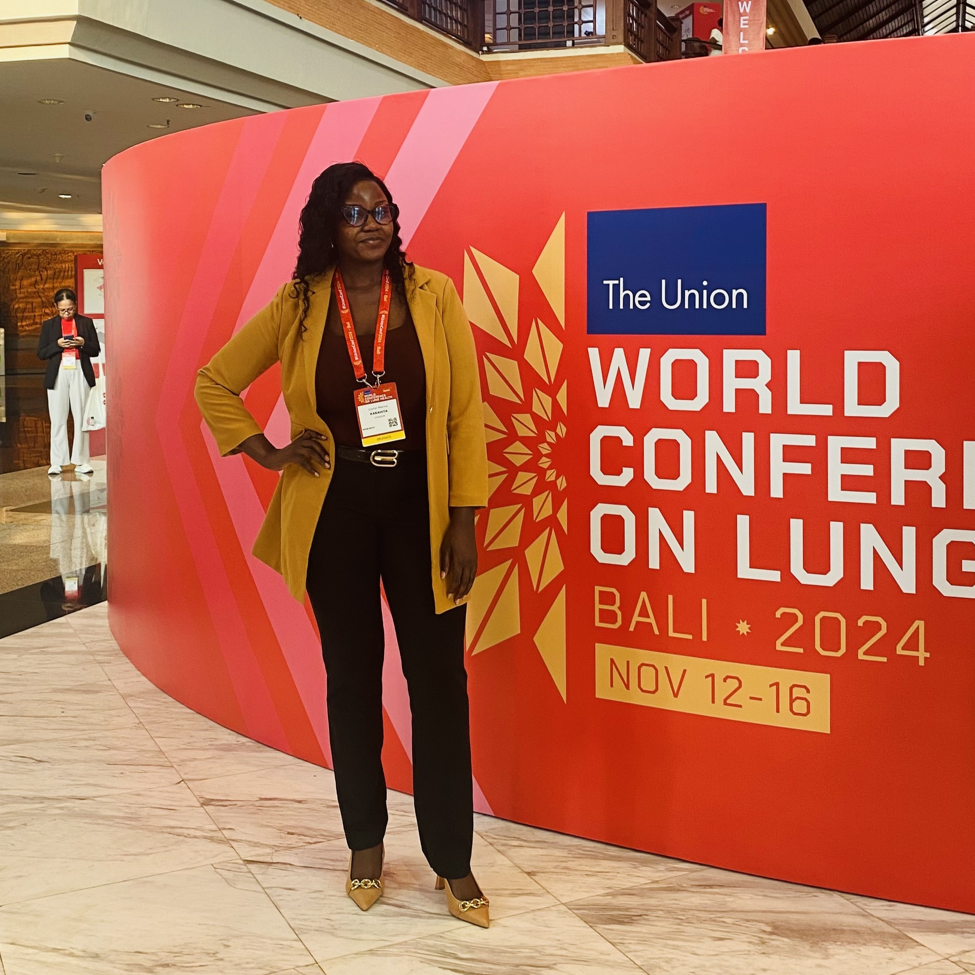
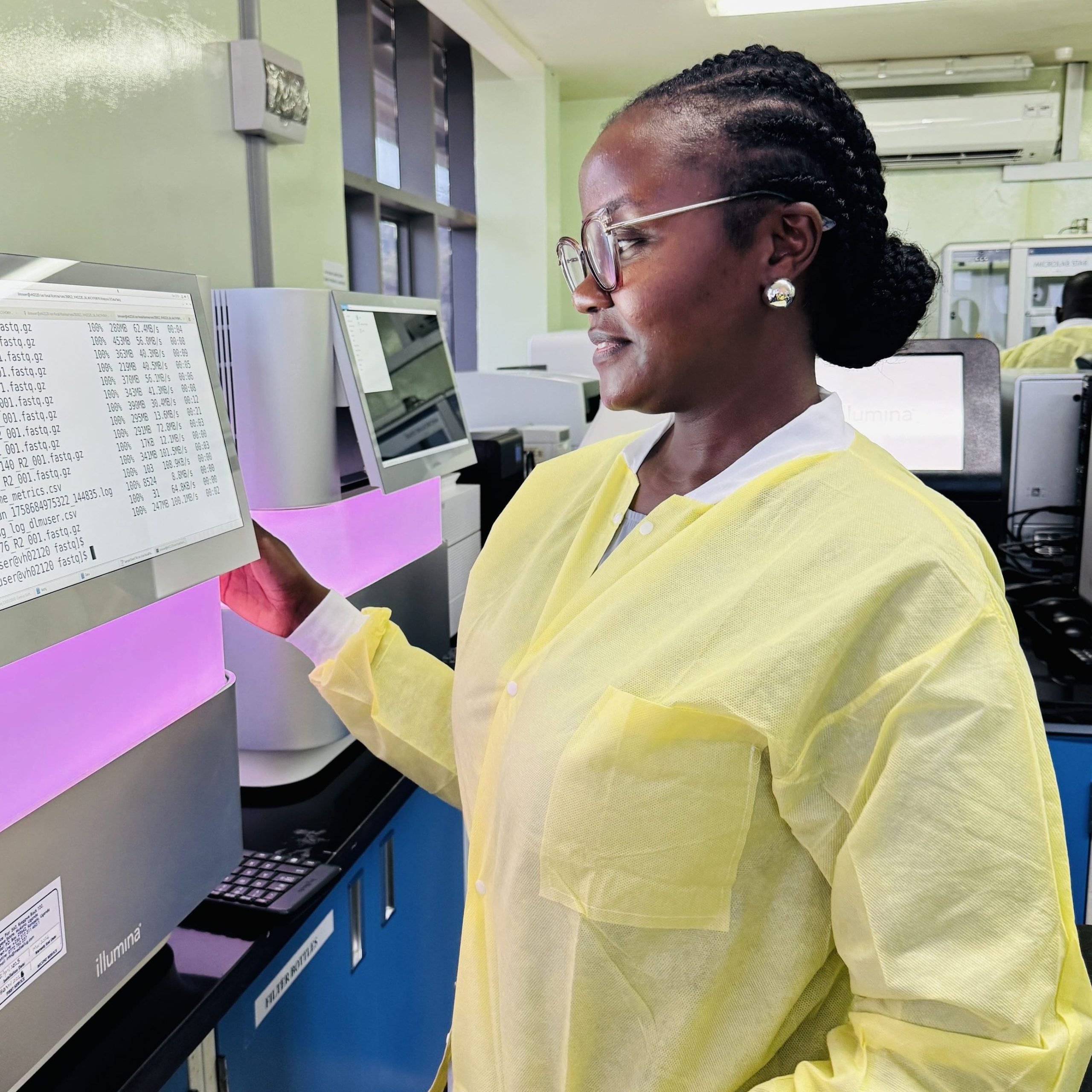
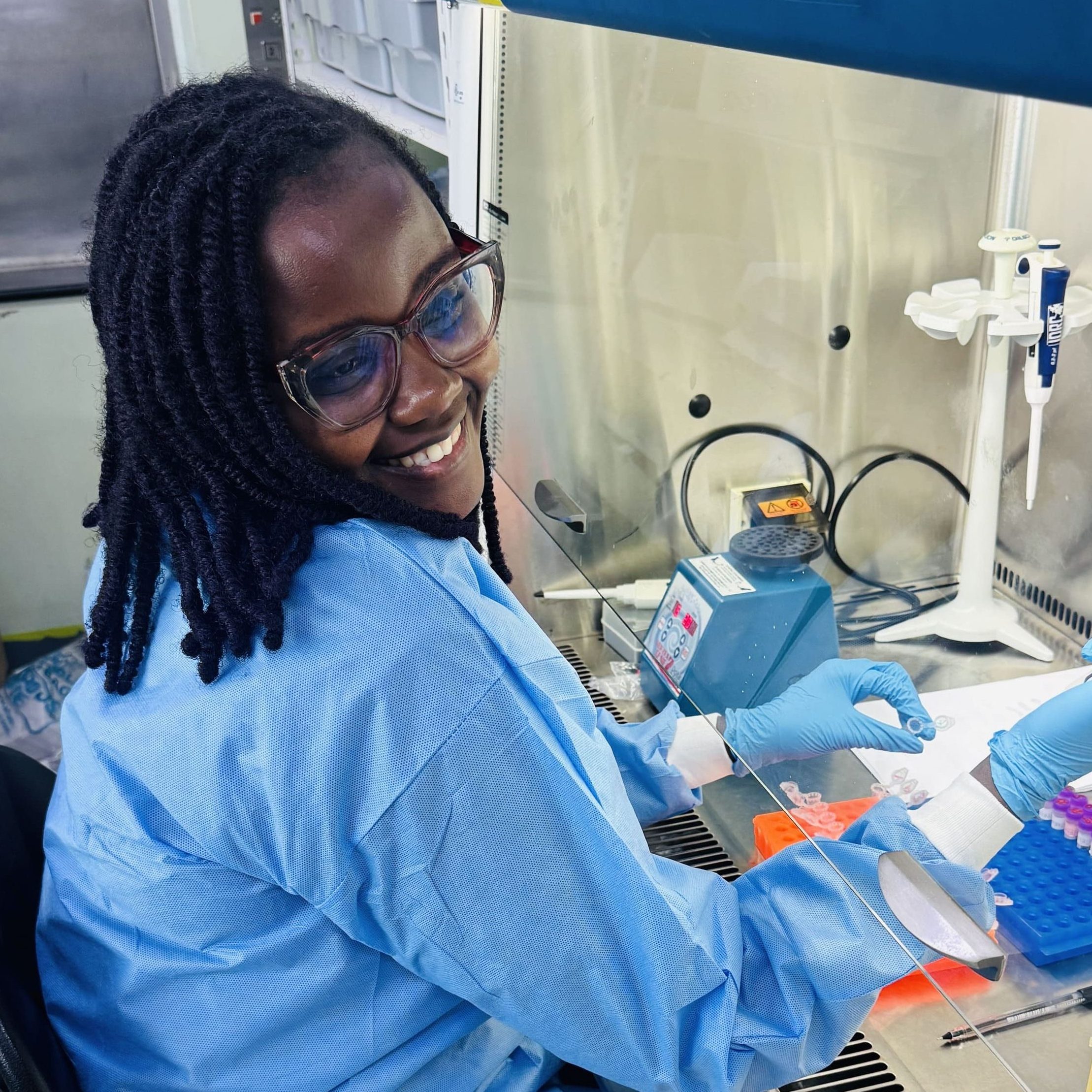
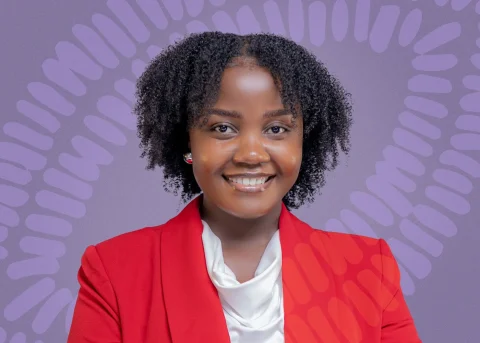
Every year, millions of people take preventive therapy to stop latent tuberculosis from becoming active disease. For most it works quietly and safely – but for some, the medicines meant to protect them cause harmful side effects nobody can fully explain yet. Jupiter Marina Kabahita, SANTHE PhD Fellow based at Makerere University in Kampala, Uganda, is trying to change that.
Kabahita holds a Master’s in Bioinformatics and an undergraduate degree in Molecular Biology, but it was her time at Uganda’s National TB Reference Laboratory that gave her research its purpose. “That exposed me to the enormous burden that TB continues to place on individuals, families and healthcare systems,” she says. “Seeing how research could directly improve patient care inspired me to focus my PhD research on tuberculosis.”
That path took her through the World Health Organisation Supranational TB Reference Laboratory to Uganda’s Central Public Health Laboratory, where she works on antimicrobial resistance (AMR) surveillance across TB, HIV, and outbreak pathogens like Mpox and Ebola. Her pull toward bioinformatics specifically came from a realisation early on: “I wanted to be able to analyse and make meaningful insights from [genomic data] as well.” She also cites African-led initiatives like H3Africa as proof that “African scientists can lead world-class genomics research while addressing health challenges that are most relevant to our populations.”
Kabahita’s current research project studies **3HP**, a three-month TB preventive regimen combining isoniazid and rifapentine, taken weekly. It’s shorter and easier to complete than older regimens – but not everyone responds to it the same way. “We are trying to understand why some people develop side effects from TB preventive treatment while others do not,” she explains. Her field, pharmacogenomics, studies how genetic differences affect the way our bodies process medicines – some people break drugs down quickly, others slowly, which can affect both effectiveness and side-effect risk. She’s particularly focused on genes like *NAT2*, *CYP2E1* and *AADAC*, known to influence how these TB drugs are metabolised, while also scanning genome-wide for new genetic clues.
“African populations have the greatest genetic diversity in the world, yet they remain underrepresented in pharmacogenomic research,” Kabahita says. “Findings from European or Asian populations may not always apply to Africans.” Since Africa carries a large share of the global TB burden, she believes locally generated evidence is essential to building treatment recommendations – and scientific capacity – that actually fit African populations.
If successful, her work could help clinicians identify high-risk patients before treatment even begins, enabling closer monitoring or alternative strategies. “Fewer side effects mean patients are more likely to complete treatment, which ultimately reduces the number of people who develop active TB.”
What keeps Kabahita motivated is simple: “Every dataset represents real patients and real families.” One especially rewarding moment came when her team’s genomic analysis helped inform a change in a struggling patient’s treatment regimen – a direct link, she says, between laboratory science and patient care.
The work isn’t easy – generating high-quality genomic data remains a major challenge given limited access to specialised equipment and reagents in many African settings. It’s also inherently collaborative: “No single discipline can answer these questions alone,” she says, describing the diverse team of clinicians, pharmacologists, geneticists and bioinformaticians she’s had to bring together.
Outside the lab, Kabahita is known to friends as “Dr Chef” for her love of cooking and baking – a hobby she’s grown into a small bakery venture. She also treasures time with her two dogs, Luna and Chukie.
Kabahita hopes her research contributes to genetic tools that help clinicians choose safer, more effective TB treatment for each patient – and that it helps push pharmacogenomics further into African healthcare more broadly. “I believe we are entering a period where treatment decisions will increasingly be guided by an individual’s biology rather than population averages, which will make treatments much more effective.”
Above all, she hopes people remember one thing: “African scientists are generating solutions to African health challenges, and genomics has the potential to improve the lives of patients across the continent.”