News

Searching for HIV’s last stronghold
For people living with HIV, antiretroviral therapy has transformed what was once a fatal diagnosis into a manageable condition. Yet HIV remains one of medicine’s greatest challenges because it never fully disappears. Instead, it hides inside certain immune cells in a dormant state known as latency, invisible to both treatment and the immune system. If treatment stops, the virus can reactivate and reignite infection.
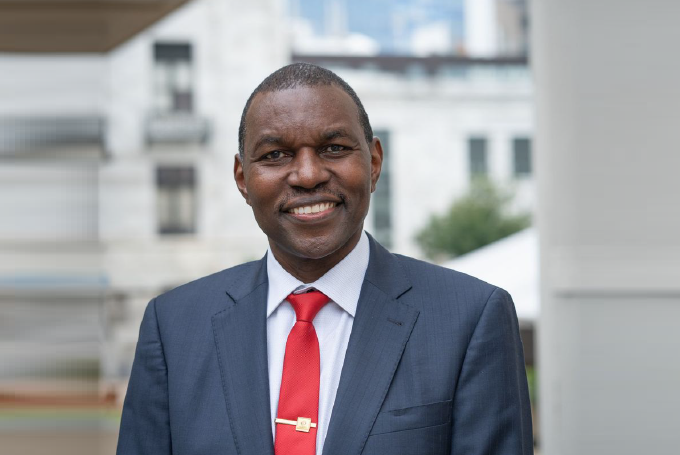
Understanding this hidden viral reservoir is one of the biggest challenges in HIV cure research and is the focus of the work of SANTHE Post-doctoral Fellow Mayibongwe Mzingwane, a Zimbabwean scientist currently based at the HIV Pathogenesis Programme (HPP) at the University of KwaZulu-Natal, in Durban South Africa.
At the heart of his research is a simple but important question: how does HIV hide so effectively? His work investigates whether the virus itself helps establish and maintain latency, focusing on a viral protein called Nef. By studying how Nef varies, he hopes to better understand how HIV hides, why it remains hidden, and what causes it to reactivate.
His research is particularly significant because it focuses on HIV subtype C, the most common strain in southern Africa and globally. Much of the world’s HIV cure research has been conducted on subtype B, which predominates in Europe and North America. Mayibongwe’s work aims to determine whether subtype C behaves differently and whether those differences could influence future cure strategies.
Using advanced laboratory and genetic techniques, he is exploring how HIV persists in different immune cell populations and identifying potential weaknesses that future therapies could target. The long-term goal is to help develop approaches that either permanently silence the virus or enable the immune system to eliminate infected cells.
The work is highly collaborative, bringing together clinicians, laboratory scientists, bioinformaticians and students. It also reflects Mzingwane’s commitment to building scientific capacity in Africa through mentorship and training.
His motivation is deeply personal and rooted in the realities of the HIV epidemic in southern Africa. “The HIV epidemic has touched virtually every community here,” he says. “I realised that contributing to this field was both a scientific opportunity and a public responsibility.”
While an HIV cure remains elusive, every discovery adds another piece to the puzzle. Through his research, Mzingwane is helping generate African-led evidence that could shape future cure strategies and bring the world one step closer to a future where HIV no longer requires lifelong treatment.